上のタブを使って、今すぐにできるものや、日程調整して参加登録できるものがないかチェックしてみてください。
研究・調査への参加にはノートPCまたはデスクトップPCが必要です (スマートフォンやタブレットは使用できません)。特に指定がない限りは、ChromeまたはFirefoxのブラウザが必要となります。

Let's Listen to a New Language!
In this scheduled Zoom chat with a researcher, your baby will listen to a 3 minute story in German. Then, they will see images of object while listening to German. We will measure their looking behavior to see if the German speech helps them to form an object category.
Learn More →
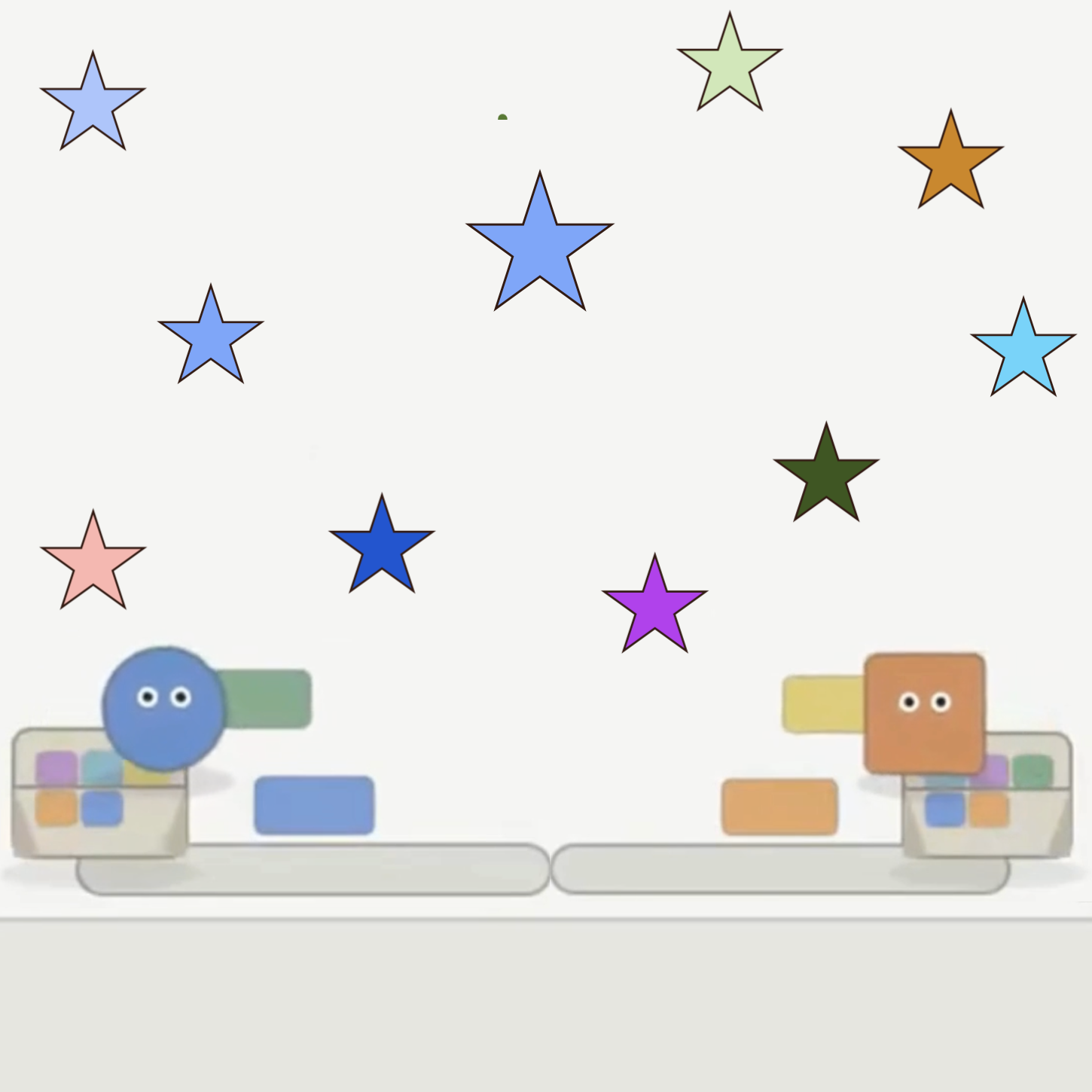
Kire mutat a fiú?
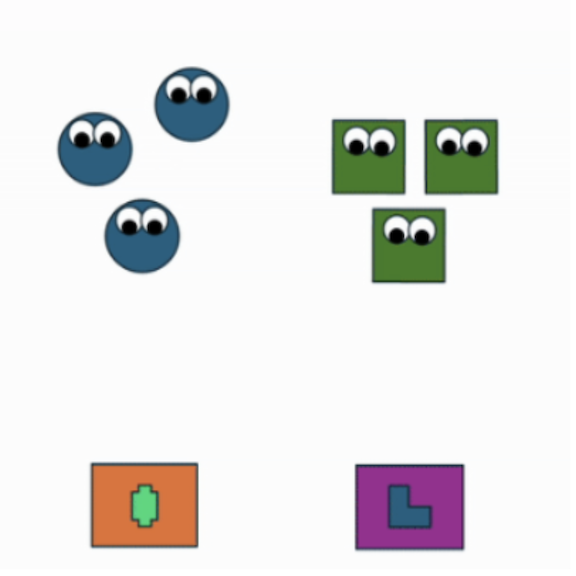
A tanulmányozás során gyermeke látni fog néhány képet két karakter kölcsönhatásáról. Aztán feltesznek nekik egy kérdést.
Can babies understand cause?
In this study your baby will watch videos of possible and impossible causal interactions. We want to know if babies can tell the difference between the two, by seeing if they look longer at the impossible events.
Let your baby show you the way!
How do young children learn to navigate their visual world? Watch short videos of colorful environments designed to test their understanding of how it is possible to move through a space.
Measuring Babies’ Surprise with Simultaneous Video Presentation
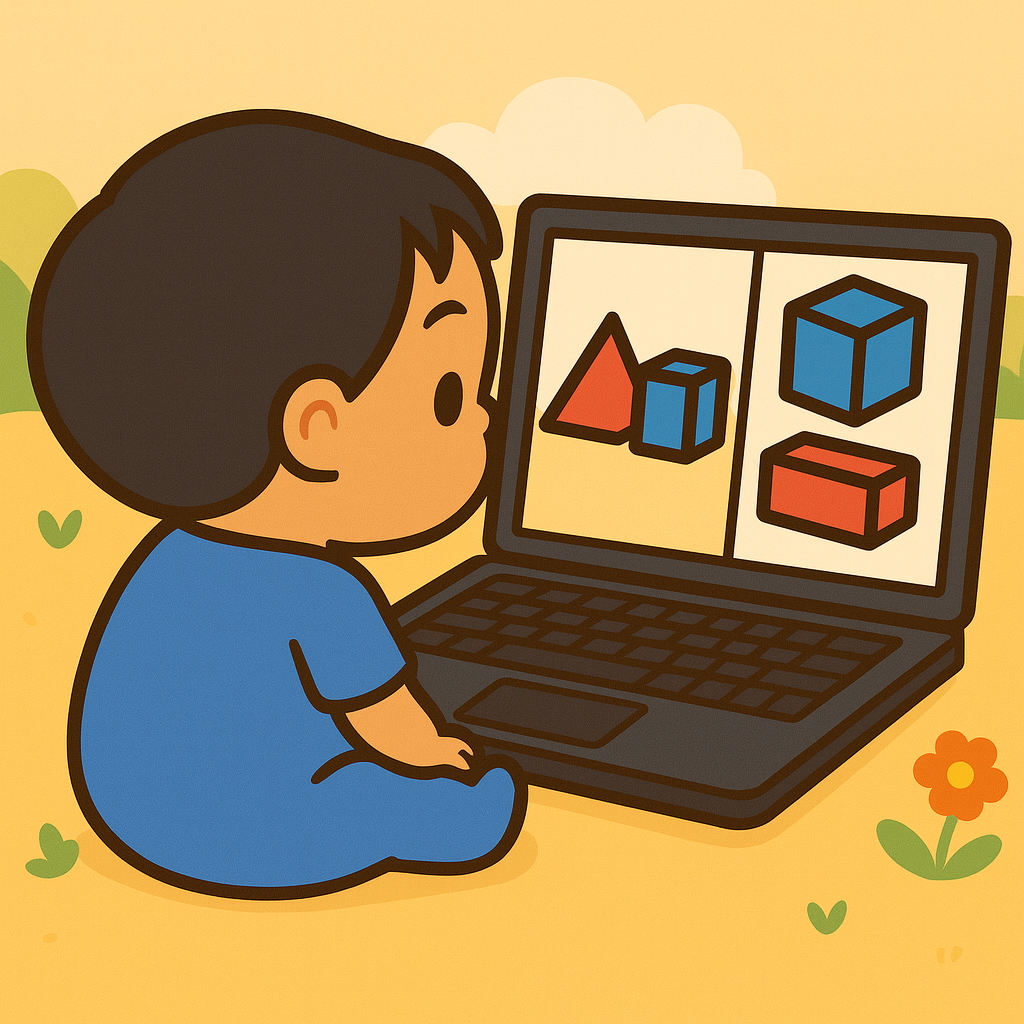
Your baby will watch short videos of simple events with objects and little characters. Sometimes two videos will play side by side, and we’ll see which one your baby prefers to look at. This study helps us test a new way to measure babies’ interest in different kinds of events.
Can babies guess the next dance move?
Your baby will watch short videos of groups of animated characters dancing! We are interested to see if infants can predict social groups' next dance moves.
Storytelling in Spanish and English
This is actually a study for mothers to participate in with their babies! You will look at pictures and record yourself telling stories about them to your baby, using both Spanish and English.
Cue the Music! (Chinese)
In this study, your baby will first be enjoying short clips of women singing a tune to them (and hopefully you'll enjoy it as well!) in English, Cantonese, or Mandarin.
Do, Re, Remember!
In this scheduled video call with a researcher, your baby will listen to instruments that sound alike and instruments that sound different while we track their eye movements so we can learn about how babies remember different sounds.
Re-engagement Study for Puppies
This study is for you (the adult) and your dog! For about 9 months (starting at 3 or 4 months old, and until 12 months), you will video record yourselves as you complete a simple procedure and then share your video with our research team. This will help us learn about how dogs cooperate with people.
Fashion Detectives: How Babies Use Clothing as a Social Signal
Babies are sensitive to novel and distinct styles of dress. In this study, we ask whether babies expect people who wear the same costume style to share other meaningful characteristics, such as the language they speak.
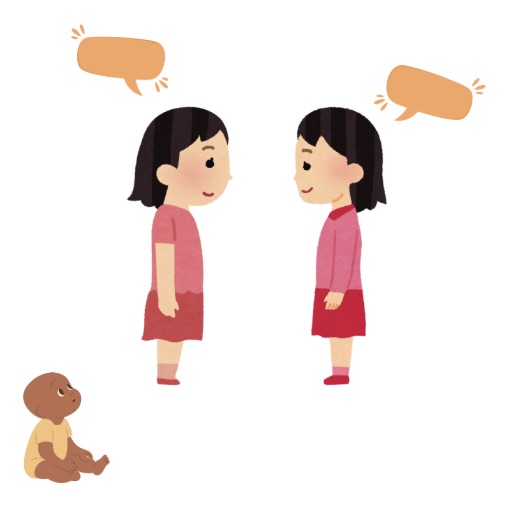
Communication during infant and parent play
In this scheduled live Zoom with a researcher, you and your baby will play together while we study how babies learn from back-and-forth interactions. Help us learn how early communication grows through everyday moments! You need to have an older child to participate.
Do you like the person you can predict?
Help us learn about babies’ preferences for people! In this live Zoom study, your baby will watch short videos of two people showing liking or disliking toward an object. We aim to study whether babies prefer someone who consistently likes or dislikes something, or someone who alternates.
Who shares my sweet tooth?
This study will take place on a video call, live with a researcher! In this Zoom-based study, your baby will watch videos of people eating food and reacting to it. Baby's looking time data will tell us how and whether they expect social groups to share preferences.
Peek & Seek!
In this looking times study, your baby will see a partly covered picture (ex: a dog) next to a scrambled version of the picture. We want to know if babies can better tell the difference between the partial picture and the scramble if there is a matching speech sound added (ex: “Look, at dog!”)
Who Said That?
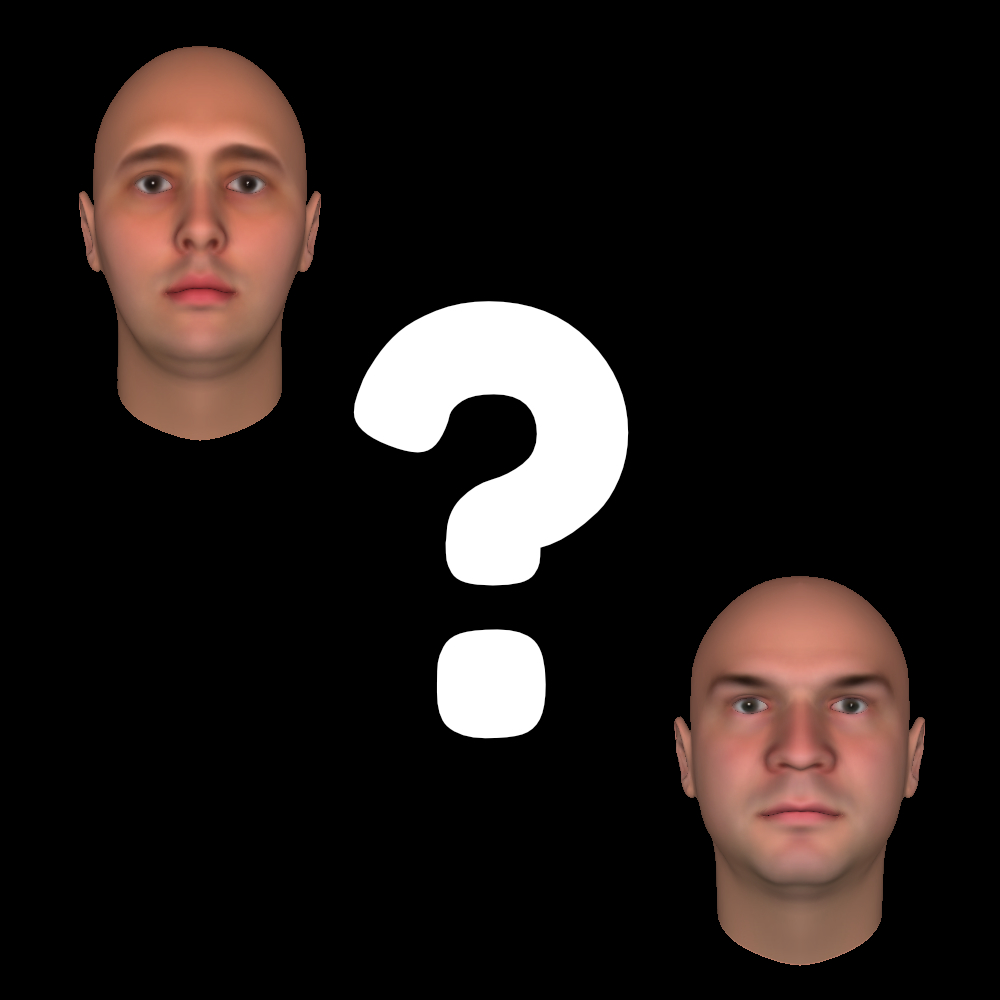
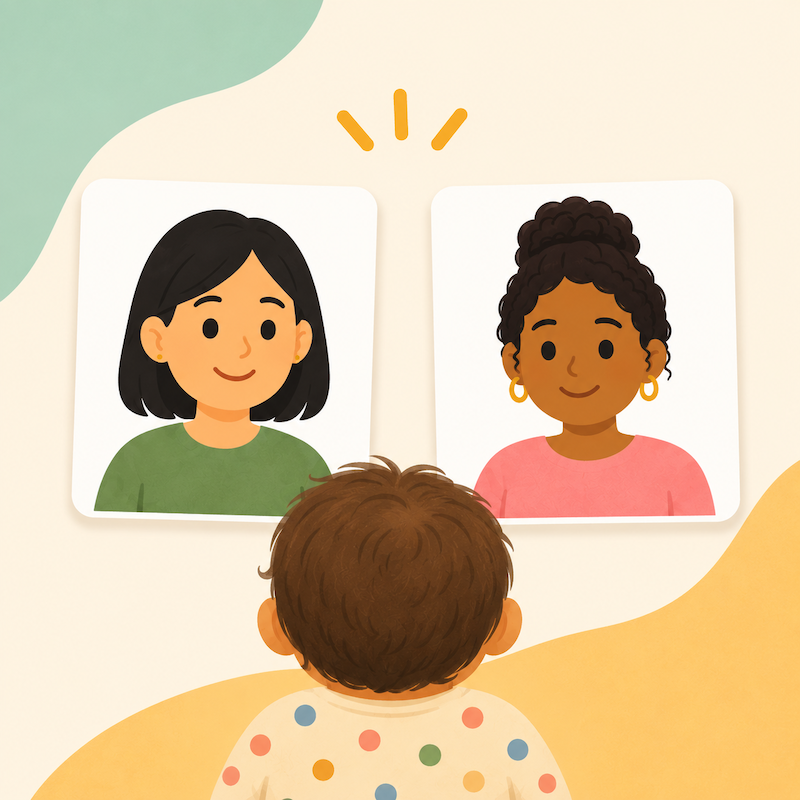
In this scheduled video call with a researcher, your baby will listen to voice recordings and look at pairs of faces, and we will learn whether babies recognize dominance in faces and voices.
How Babies Learn from What They See AND Hear at the Same Time
This study involves a scheduled 45-minute video chat session with a researcher. During the session, your baby will watch short videos of moving objects or people speaking, and we will explore how babies learn from what they see and hear.
Do the sights match the sounds?
Your baby will first watch short videos with either matched or mismatched audio. Then, you will complete surveys on your baby’s personality and family health history. This may take up to 40 minutes. We will learn about individual differences in babies’ attention for audiovisual sensory information.
Happiness: A survey for parents
In this study that doesn't require your baby to be present, you will rate statements about your family, such as how often your baby is "excited" or "laughing" to help us learn about babies' emotions.
Record a video with your baby during mealtime!
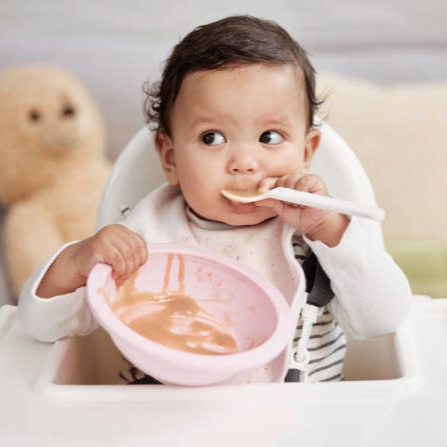
In this study, you will record a video of a typical mealtime (of solid foods) with your baby. This study will help us understand the relation between eating behaviors and developmental factors.
Will they be friends?
This scheduled video call with a researcher, your baby will be shown short videos of two people talking and then interacting with each other.
Commitment Study for Adult Dogs
This study is for you (adult/parent) and your dog! In this study, you will video record yourselves as you complete a procedure on 4 different days and then share your videos with our research team. This will help us learn about whether dogs understand commitments like humans do.
How do babies learn about their world?
In this study, your baby will see a series of social and nonsocial videos. We will record your baby watching these videos so we can measure how long they look at the different videos.
See The Dots
This study takes place over a Zoom video call. During the session, your child will watch short on-screen videos with sound, including brief dot displays and pictures.
Who do I see?
In this study, your baby will watch a short video filled with faces of different individuals and hear names for these faces (like "dax").
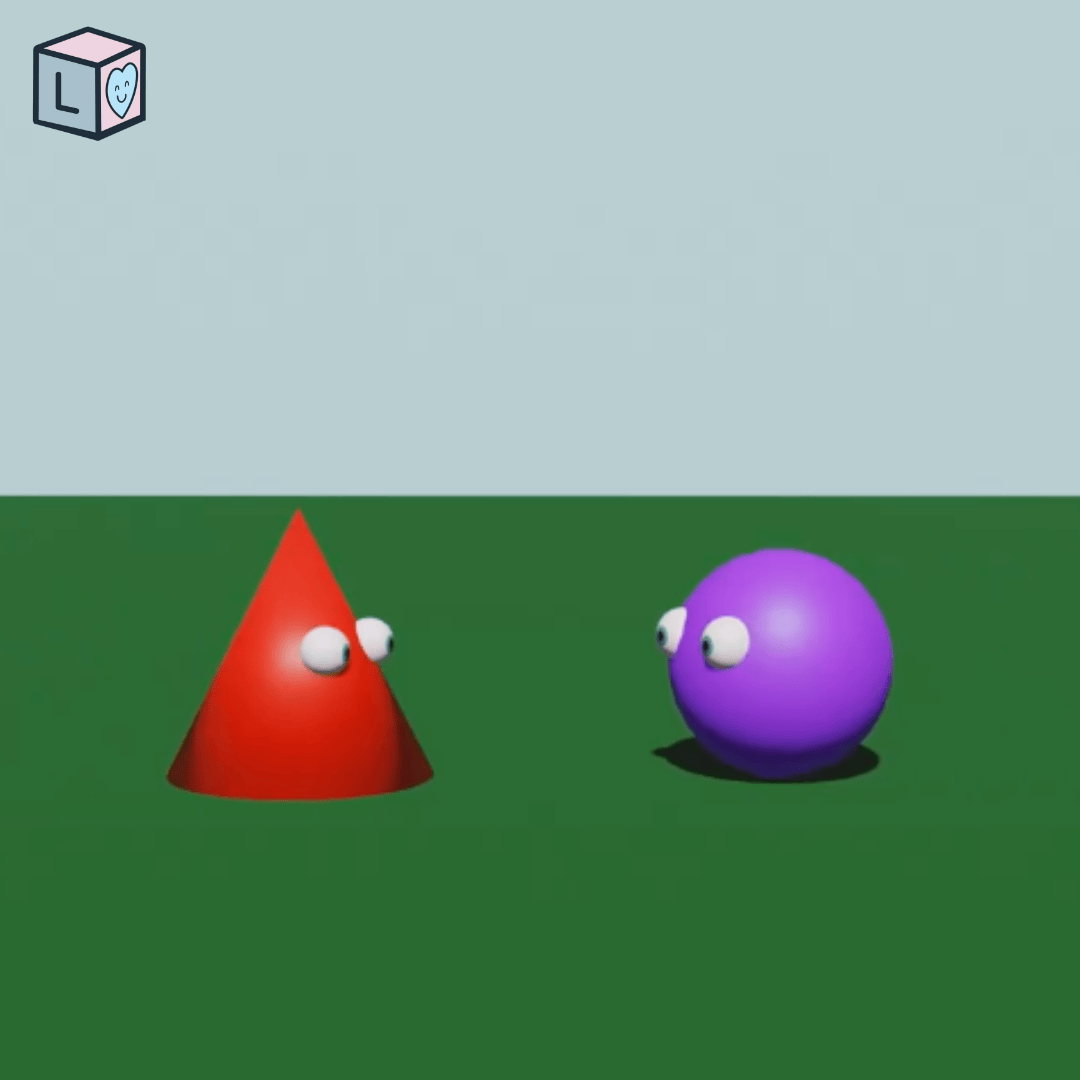
Baby Friends & Feelings
In this short Zoom study with a researcher, your baby will see colorful shapes responding happily or sadly towards each other's success. We ask if babies think the shapes are friends or rivals based on their previous emotional responses.
Who speaks Spanish and English around your family?
In this study, you will receive brief text check-ins throughout two days, scheduled at your convenience. These check-ins ask who is with your child and what languages they hear, helping us learn how bilingual babies hear Spanish and English in everyday situations.
Bumping Shapes
Bumping or not bumping... In a scheduled Zoom session, your baby will watch colorful shapes bump into gray squares — sometimes the bump makes the square move, and sometimes it doesn’t! We’re excited to learn how babies understand these cause-and-effect events.
The world "scene" through your baby's eyes
How do babies use vision to understand complex places? In this study your child will watch short colourful videos designed to test their perception of visual scenes.
Peek-a-boo, who are you?
In this study, your baby will watch a short video filled with faces of different individuals.
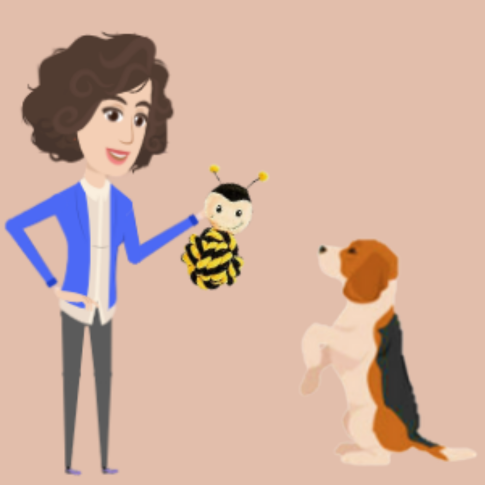
Toy Showing Study for Adult Dogs
This study is for two adults and your dog you both live with! In this study, you will video record yourselves as you complete a procedure on 4 different days and then share your videos with our research team. This will help us learn about how dogs communicate with people.
Infant's Perception of Humor
In this study, your baby will be watching several short video clips.
How babies think about surprising objects
In this scheduled video call, your baby will watch a series of short videos showing some toys performing magical or normal actions. We are interested in how your baby reacts to the toys after observing the events!
Animals Hide and Seek!
In this study, your baby will watch a short video filled with cute, stuffed animals and hear names for these animals (like "dax").
How do babies think about disappearing objects?
In this study session, your baby will look at short video clips of objects such as a block, ball, or toy car falling behind one of two screens for a repeated number of times, and we will learn about how babies track disappearing objects.
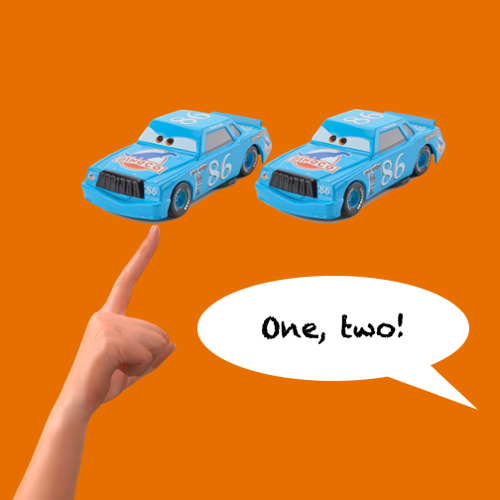
What's counting for babies? 3.0
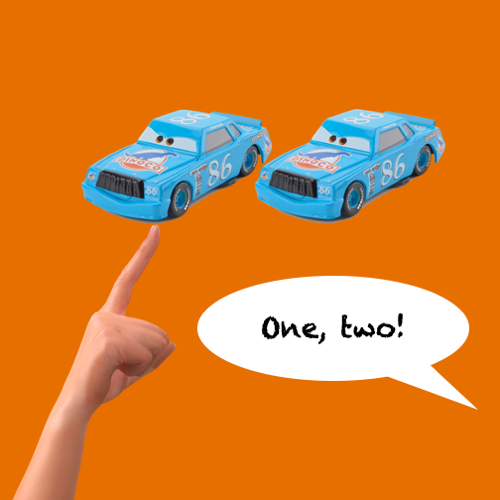
In this study, your baby will watch different numbers of toys being pointed at and labeled in different ways (such as "one, two, three" or "this, this, this").
Listen for the Sound Switch!
In this study, your baby will listen to repeated and changing made-up words while looking at simple animations on the screen, and we will learn how babies notice changes in speech sounds.
What Happened to the Cube?
In this scheduled video chat with a researcher, your baby will watch brief videos with two actions: pushing and smashing a cube, and we examine whether they understand that different action orders can lead to different outcomes.
Your Baby's Response to Faces and Speech
Babies will view several short audio and video clips of mothers talking to the camera.
Now you see it! Now you don't!
In this scheduled Zoom chat with a researcher, your baby will look at videos of cute toys, hear new names for them, and see one of the toys hidden inside a box and then retrieved. We will learn whether naming the toys will help babies remember the toys when they are hidden.
参考資料