Helpful Friends
Cognition and Development Lab (University of Maryland, College Park)
Who Can Participate |
For 3-5-year-olds |
What Happens |
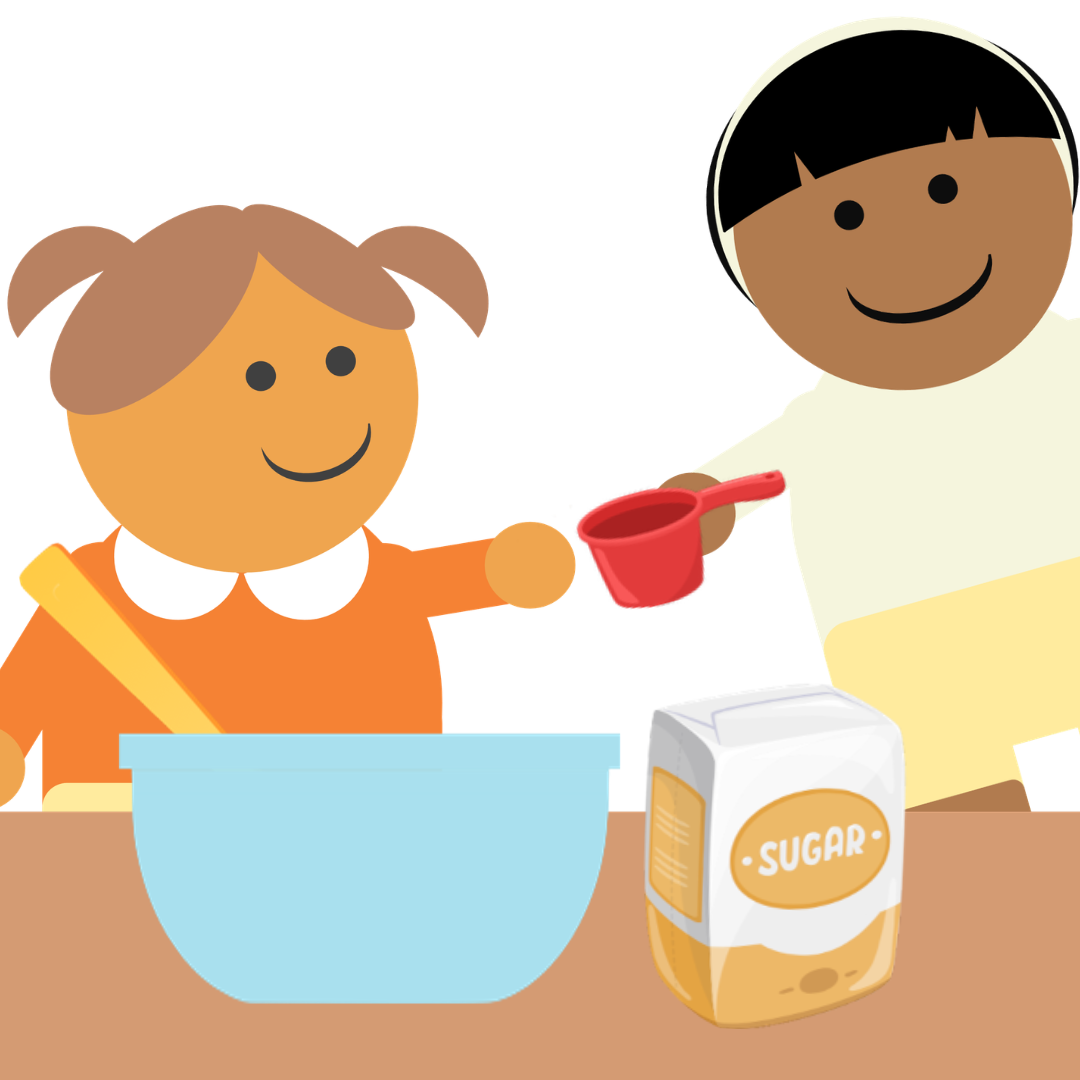
This study will take place on a video call, live with a researcher! Clicking on the “Schedule a time to participate” button will send you to an online calendar where you can select a date and time that works for you. In this Zoom study, your child will watch interactions between a group of friends in different scenarios: baking a cake, working in their garden, and taking care of their pet ducks. In each scenario one of the friends needs help and the other friends make different decisions about how to help them. We will ask you child questions about the scenarios to better understand what they think about the helpfulness of the character's actions. |
What We're Studying |
This study explores how young children interpret helpful actions and what they think it means to be helpful. It may seem that helping someone is always good, but sometimes helping may actually prevent someone from achieving their goal or even result in negative consequences. As caregivers, we may be quite familiar with this. Think of a parent stopping their child from grabbing a hot pot. We are interested in learning what young children think about these conflicting situations. Does being helpful just mean having the desire or intention to help or should a helper also consider the consequences of helping? Answering these questions will help us better understand how children may interpret these complex situations in their everyday lives and how this may influence their own helping behavior as well. |
Duration |
20 minutes |
Compensation |
We will email you a $5 Tango gift card within a week of your child's participation. To be eligible for the gift card, your child must be in the age range for the study, present for the appointment, and based in the U.S. Only one gift card per participant. Compensation is not dependent on your child's performance or completion of the activity. |
This study is conducted by Lucas Payne Butler (contact: cogdevlab@umd.edu).