Smart, cool, and nice? Evaluations of knowledge in different areas
DIBS Lab (University of Chicago)
Who Can Participate |
For 6- to 11-year-olds |
What Happens |
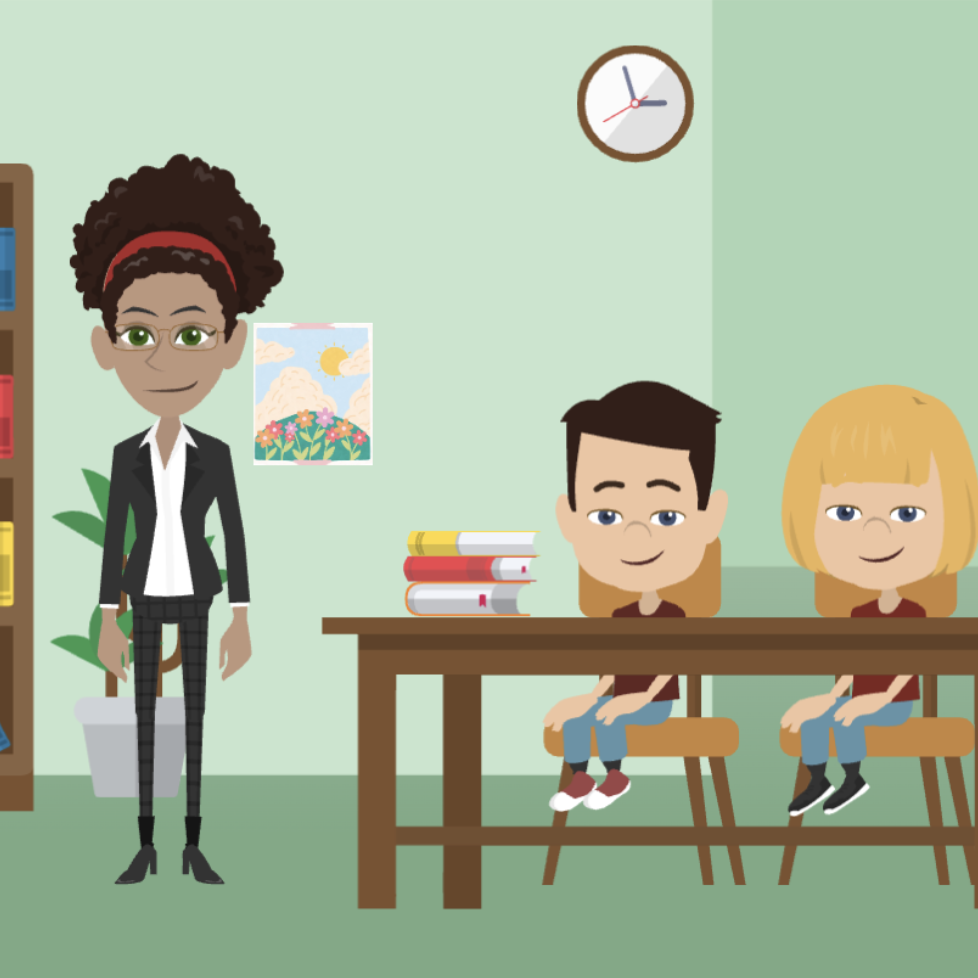
This study will take place on a video call, live with a researcher! Clicking on the “Schedule a time to participate” button will send you to an online calendar where you can select a date and time that works for you. During the scheduled Zoom session, a researcher will read aloud or show videos to your child. The stories involve children talking with classmates and teachers in familiar situations. For example, in one story, some students ask a teacher for help with a puzzle. After each story, your child will be asked what they think about the characters, such as what they think the characters know or what kind of qualities they possess, such as skills or leadership quality. We aim to better understand how children reason about different actions that can make some kids look more competent or capable in different contexts. |
What We're Studying |
Children are frequently making judgments about others' abilities and others' knowledge. In this study, we are interested in how children think about actions that might influence their evaluations of others' knowledge and abilities: what kinds of actions make someone seem more knowledgeable or more skilled? To capture the range of situations in which reputations are formed, we examine several familiar social contexts. In some situations, we explore how children interpret what people explain or ask about during conversations and what those choices reveal, both in knowledge (science) and ability (drawing) scenarios. In school contexts, we investigate how teacher-student interactions might inadvertently send these signals. By bringing together these different scenarios, we hope to gain a stronger understanding of how certain actions can affect others' reputations, which will allow us to get a stronger sense of how children navigate their social world. |
Duration |
15 minutes |
Compensation |
Each family will receive a prize of a $10 Amazon.com gift card per child that participates, sent via email within the week after you participate. Participants must be in the age range for this study, visible in the camera frame, and have never participated in this study before. |
This study is conducted by Alex Shaw (contact: ashaw1@uchicago.edu).